Posts tonen met het label Pauline Kael. Alle posts tonen

zondag 8 januari 2023

Een hete neo noir misdaadthriller

 Body Heat  van Lawrence Kasdan     ★★★★


Tijdens een snikhete zomer in een kuststadje in het zuiden van de Amerikaans staat Florida ontmoet de lakse advocaat en hitsige rokkenjager Ned (doorbraakrol van William Hurt) een zeer mooie, stijlvolle, zelfzekere en charismatische vrouw die zich voorstelt als Matty (bioscoopdebuut van Kathleen Turner). Ned flirt met haar, maar Matty waarschuwt hem dat zij getrouwd is. Toch beginnen zij stiekem een erotische affaire. Matty's rijke maar antipathieke echtgenoot Edmund (bijrol van Richard Crenna) is volgens haar "klein en gemeen en zwak". Stilaan groeit bij Matty en Ned het snode plan om Edmund te vermoorden, zodat Matty diens fortuin kan erven en vrij is om een nieuw leven te beginnen met Ned...

Kathleen Turner als Matty
en William Hurt als Ned.

Regiedebuut

Body Heat (bekijk de hele film hier) dateert van 1981 en was het zelfgeschreven regiedebuut van Lawrence Kasdan, die voordien de scenario's schreef van de razend populaire kaskrakers Star Wars: Episode V - The Empire Strikes Back (1980) van Irvin Kerschner en Raiders of the Lost Ark (1981) van Steven Spielberg (één van onze favoriete regisseurs). 

Ook Body Heat was een financieel succes. Het productiebudget bedroeg zo'n 9 miljoen dollar en de film bracht in de Amerikaanse bioscopen alleen al ruim 24 miljoen dollar op. 

Een erotische neo noir

Body Heat is een uitstekende neo noir misdaadthriller, die herinnert aan klassieke films noirs zoals Double Indemnity van Billy Wilder uit 1944 (bekijk de hele film hier) en The Postman Always Rings Twice van Tay Garnett uit 1946. 

Body Heat bevat de basisingrediënten van een volwaardige film noir, zoals: 
- een mannelijke antiheld (Ned) met fatale gebreken, die zich onweerstaanbaar aangetrokken voelt tot een mysterieuze femme fatale (Matty) die hem op het slechte pad leidt, terwijl het onduidelijk blijft of Matty misschien toch echt van Ned houdt dan wel een louter op geld beluste gold digger en zwarte weduwe is die hem misleidt en manipuleert om het fortuin van haar echtgenoot in handen te krijgen; 
- een complexe en spannende intrige, met boeiende plotwendingen, waarvan de puzzelstukken gradueel in elkaar beginnen te passen vanuit het perspectief van de protagonist (Ned); 
- een sfeervolle beeldvoering en mise-en-scène met veel nachtelijke scènes, clair-obscur en mist; 
- knipoogjes naar genreclichés, zoals een ouderwetse gleufhoed, rokende personages en streepvormige schaduwen van geopende jaloezieën;  
- en een tragisch slot. 

Toch zijn er verschillen met de meeste klassieke films noirs
- Body Heat is geen zwart-wit film, maar werd opgenomen in Eastmancolor;
- het verhaal speelt zich niet af in een donkere, kille grootstad, maar in een kuststadje in het zonnige zuiden van Florida tijdens een hete zomer;
- de erotische relatie tussen Ned en Matty wordt niet gesuggereerd, maar daadwerkelijk getoond in onthullende naakt- en seksscènes.

Bovenstaande kenmerken maken van Body Heat een broeierige, koortsige neo noir die invloed had op latere neo noir misdaadthrillers zoals Blood Simple (1984) van de gebroeders Coen (bekijk de hele film hier), Black Widow (1987) van Bob Rafelson (één van onze favoriete films over seriemoorden; bekijk de hele film hier), The Hot Spot (1990) van Dennis Hopper (bekijk de hele film hier), Basic Instinct (1992) van Paul Verhoeven (ook één van onze favoriete films over seriemoorden), China Moon (1994) van John Bailey (bekijk de hele film hier), The Last Seduction (1994) van John Dahl, Jade (1995) van William Friedkin en The Killer Inside Me (2010) van Michael Winterbottom (lees onze recensie hier en bekijk de trailer hier).

Erotiek in Body Heat

Sfeervol vakwerk

In november 1981 sloeg de volgens ons zwaar overroepen Amerikaanse filmrecensente Pauline Kael (1919-2001) de plank mis door Body Heat ten onrechte de grond in te boren in het tijdschrift The New Yorker. Dat zijn we van haar gewoon, want Kaels filmrecensies zaten er heel vaak compleet naast, zoals ook blijkt uit onze bloemlezing van de talrijke kemels van Pauline Kael

In haar recensie van Body Heat beweerde Pauline Kael onder meer dat regisseur Lawrence Kasdan het film noir-genre blijkbaar niet begreep en dat Body Heat een clichématige, onnozele ("silly"), slaapverwekkende en leeg ("void") aanvoelende film is die "alles" zou missen wat het film noir-genre genietbaar maakt. Onzin, want het meeslepende verhaal, de overtuigende vertolkingen van Hurt en Turner als de hoofdpersonages, de sfeervolle mise-en-scène, de erotische ondertoon en de zwoele jazzy muziek van John Barry maken van Body Heat een geslaagde neo noir variant op klassieke films noirs

Sommige bijrollen hadden beter gekund (zie verder). Maar voor het overige mist Body Heat uitsluitend wat meer visuele panache. Begrijp ons niet verkeerd: heel wat scènes zijn sfeervol belicht, maar het production design (van Bill Kenney) en het camerawerk (onder leiding van Richard H. Kline) zijn soms wisselvallig (een euvel in heel wat films uit de jaren 80). Spijts die gebreken, blijft Body Heat echter overeind als een fascinerende erotische misdaadthriller. 

Dat Kael onzin uitkraamde, blijkt ook uit haar onterechte kritiek op de vertolkingen van William Hurt en Kathleen Turner. 

Volgens Kael bezondigde Turner zich dermate aan overacting in haar belichaming van Matty's verleidelijkheid dat elke sensualiteit in de kiem gesmoord wordt: "she works on her smolder with such diligence that if she has any sensuality in her it's completely blocked. In general, the most embarrassing thing a performer can do is to act more sexy than he or she appears to be (...)". Vervolgens sprak Kael zichzelf tegen door te beweren dat Turner zo afstandelijk ("so remote") overkomt als Matty "that she isn't even embarrassing". Kael legde daarbij niet uit hoe je kunt overacteren én tegelijk afstandelijk overkomen... 

Ons inziens is Turner perfect gecast als Matty en zet zij een uitstekende acteerprestatie neer. Vanaf het eerste moment dat zij zelfzeker in beeld verschijnt, gekleed in een eenvoudige maar stijlvolle, nauw aansluitende witte jurk, begrijp je als kijker meteen waarom deze bloedmooie, slanke, hoogbenige, classy en enigmatische vrouw het hoofd van Ned op hol kan brengen. Op dat moment weten we immers reeds dat Ned gevoelig is voor vrouwelijk schoon. Later in de film geeft Ned een plagend compliment aan Matty: "Maybe you shouldn't dress like that." Matty antwoordt: "This is a blouse and a skirt. I don't know what you're talking about." Ned besluit gevat: "You shouldn't wear that body." Maar ook tegen zulke typische film noir-dialogen in Body Heat maakte Kael bezwaar omdat die dialogen volgens haar niet met de nodige humoristische zelfrelativering uitgesproken werden. Hoe dan ook, volgens ons vertolkt Turner de zwijgzame kracht en het ingehouden sex appeal van Matty aanvankelijk met gepaste terughoudendheid, wat het tégendeel is van overacting. Ook later in de film, wanneer Matty zich wat extraverter en intenser gedraagt en zij meermaals haar liefde verklaart aan Ned, acteert Turner op een ambivalente en gecontroleerde wijze, alsof Matty iets te verbergen heeft, waardoor het voor Ned én de kijker onduidelijk blijft of en in hoeverre Matty (on)eerlijk en (on)betrouwbaar is, wat bijdraagt tot de spanning. Dankzij Turners genuanceerde en meerzinnige vertolking is en blijft Matty, zelfs na afloop van de onthullende slotscène op een exotisch strand, tot op zekere hoogte een fascinerend raadsel. Je blijft je afvragen: "Misschien houdt ze toch van Ned? Niet zoveel als van zichzelf, maar toch...?" Kortom, Turner belichaamt in Body Heat één van de meest memorabele femmes fatales in de filmgeschiedenis. Haar opmerkelijke bioscoopdebuut als Matty katapulteerde haar naar de top van de meest gevraagde Hollywoodactrices in de jaren 80: check out haar uitstekende vertolkingen in onder meer Romancing the Stone (1984), Crimes of Passion (1984), Prizzi's Honor (1985), The Jewel of the Nile (1986), Peggy Sue Got Married uit 1986 (één van onze favoriete komedies; bekijk een filmfragment hier) en The War of the Roses uit 1989 (ook één van onze favoriete komedies; bekijk een filmfragment hier).  

Kathleen Turner als de ondoorgrondelijke femme fatale.

Met betrekking tot William Hurt, had Kael gelijk dat Hurts rol van Ned geen bravoure nodig heeft. Ned is immers geen held, maar een manipuleerbare advocaat in de ban van een femme fatale. Volgens Kael zou dat verklaren waarom Hurts vertolking in Body Heat "his least entertaining screen performance yet" was en de kijker zich niet met Ned zou kunnen identificeren, terwijl wij juist hebben genoten van Hurts menselijke-al-te-menselijke uitstraling als de allesbehalve domme maar toch ietwat naïeve en slome Ned wiens obsessieve verlangen naar Matty ten koste gaat van zijn als zodanig reeds wankele morele principes, waarmee de doorsneekijker zich dus wél kan identificeren want de doorsneekijker is evenmin een held.

William Hurt als de manipuleerbare antiheld.
     
Vreemd genoeg, prees Kael wel Ted Danson in zijn bijrol van Neds vriend Peter Lowenstein: de plaatselijke assistent van de openbare aanklager. Als er één acteur is die zich in Body Heat soms (een beetje) bezondigt aan overacting, dan is het wel Ted Danson. 

Ted Danson als de assistent van de openbare aanklager.

Bovendien negeerde Kael dat J.A. Preston nogal vlak overkomt in zijn vertolking van de eveneens met Ned bevriende politiedetective Oscar Grace. 

J.A. Preston als de politiedetective.

Een jonge en in 1981 nog relatief onbekende Mickey Rourke speelt in Body Heat een bijrolletje als een schimmige explosievenexpert. Kael merkte terecht op dat Rourke zijn personage realistisch vertolkte. 
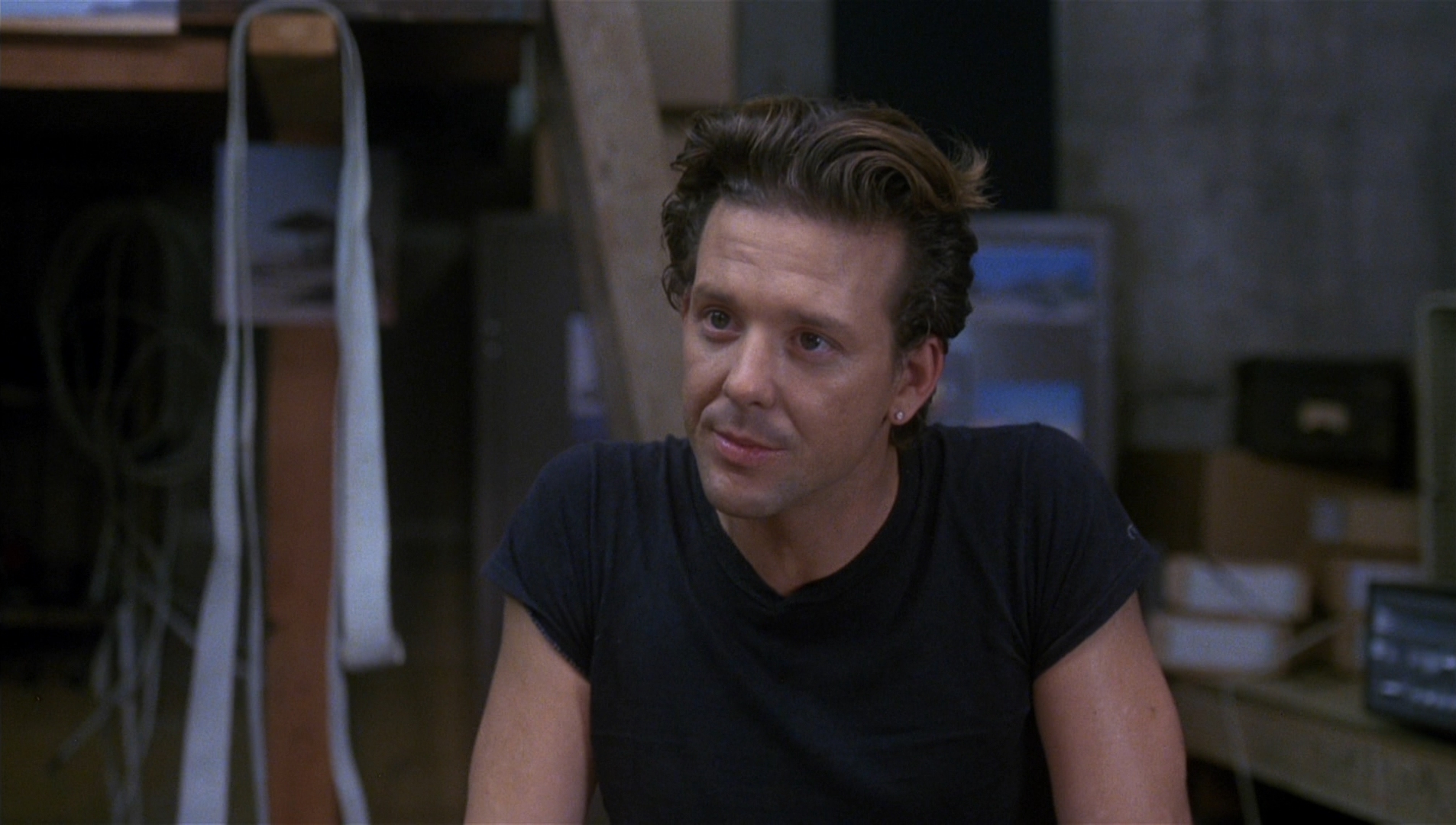
Mickey Rourke als de schimmige explosievenexpert.

Tot slot beweerde Kael dat Body Heat, spijts de zweterige aanblik van het tragiromantische koppel Ned en Matty, formalistisch en geenszins passioneel aanvoelt. Nogmaals onzin, want het kloppende hart van Body Heat is precies Neds zweterige passie (voor seks en geld) die hem bindt aan Matty

JN.

Body Heat (USA-1981): beschikbaar op dvd en blu-ray disc, alsook te bekijken via onderstaande link.
Met: William Hurt, Kathleen Turner, Ted Danson, J.A. Preston, Richard Crenna en Mickey Rourke.

Genre: neo noir / misdaadthriller / erotiek / mysterie / romantisch drama

Klik op de oranje link om de hele film te bekijken: Body Heat - full movie


zondag 29 oktober 2017


De kemels van 
Pauline Kael


Afgezien van de Amerikaan Roger Ebert, is er wellicht geen filmrecensent waar zo naar opgekeken wordt als diens landgenote Pauline Kael. Beiden zijn intussen overleden: Ebert stierf in 2013, Kael reeds in 2001. Over de doden niets dan goed, zegt men, maar ons moet toch van het hart dat wij de filmrecensies van Kael zwaar overroepen vinden. 


Roger Ebert.
Roger Ebert zat er ook vaak naast in zijn beoordelingen van films. Zo gaf Ebert bijvoorbeeld:
- slechts 2,5 (op vier) sterren aan de magistrale en iconische western Once Upon a Time in the West van Sergio Leone uit 1969 (onze favoriete western en één van onze favoriete films tout court; bekijk een filmfragment hier);
- slechts 2,5 sterren aan de uitstekende overlevingsthriller Deliverance van John Boorman uit 1972 (één van onze favoriete road movies; bekijk een filmfragment hier); 
- slechts 2,5 sterren aan de schitterende, oogstrelende en invloedrijke sword & sorcery-klassieker Excalibur van John Boorman uit 1981 (één van onze favoriete sword & sorcery-films);
- slechts 2,5 sterren aan de uitstekende en iconische horrorfilm The Thing van John Carpenter uit 1982 (één van onze favoriete horrorfilms);
- slechts 2,5 sterren aan de schitterende, vernieuwende en invloedrijke heist movie Reservoir Dogs van Quentin Tarantino uit 1992 (één van onze favoriete films; bekijk een filmfragment hier), wellicht het beste langspeelfilmdebuut sinds Citizen Kane van Orson Welles uit 1941;
- slechts 2 sterren aan het onderschatte tragiromantisch dorpsdrama Ryan's Daughter van David Lean uit 1970 (lees onze recensie met onze kritiek op Roger Eberts beoordeling hier);
- slechts 2 sterren aan het visionaire, maatschappijkritische meesterwerk A Clockwork Orange van Stanley Kubrick uit 1972 (één van onze favoriete sciencefictionfilms en één van onze favoriete films tout court; lees onze recensie hier);
- slechts 2 sterren aan de meeslepende, op historische feiten gebaseerde gevangenisbiopic Papillon van Franklin J. Schaffner uit 1973 (bekijk de hele film hier);
- slechts 2 sterren aan de iconische horrorklassieker The Texas Chain Saw Massacre van Tobe Hooper uit 1974 (één van onze favoriete horrorfilms en één van onze favoriete films over seriemoorden; bekijk de hele film hier);
- slechts 2 sterren aan de aangrijpende biopic The Elephant Man van David Lynch uit 1980;
- slechts 2 sterren aan de sfeervolle en succesvolle superheldenfilms Batman uit 1989 en Batman Returns uit 1992 (bekijk de hele film hier), beide geregisseerd door Tim Burton; 
- slechts 2 sterren aan de fijne romantische tragikomedie Edward Scissorhands van Tim Burton uit 1990;
- slechts 2 sterren aan de hilarische buddy-komedie Dumb and Dumber van Bobby en Peter Farrelly uit 1994 (één van onze favoriete komedies en tevens één van onze favoriete road movies);
- slechts 2 sterren aan het briljante en visueel verbluffende psychoseksuele neo noir misdaadmysterie Lost Highway van David Lynch uit 1997 (één van onze favoriete films; lees onze recensie hier en bekijk de hele film hier);
- slechts 2 sterren aan het beklijvende politiedrama Cop Land van James Mangold uit 1997 (één van onze favoriete politiefilms);
- slechts 2 sterren aan het meeslepende, knap in beeld gebrachte en razend populaire Romeinse epos Gladiator van Ridley Scott uit 2000 (één van onze favoriete historische drama's);
- slechts 1,5 ster aan de uitstekende romantische misdaadkomedie Raising Arizona van de gebroeders Coen uit 1987; 
- slechts 1,5 ster aan de fijne, veelzijdige familiekomedie Uncle Buck van John Hughes uit 1989;
- slechts 1 ster aan Le locataire (internationale Engelstalige titel: The Tenant) van Roman Polanski uit 1976, waarbij Ebert deze nochtans fascinerende psychologische mysteriethriller ten onrechte afkraakte als "not merely bad-it's an embarrassment (...) it's unspeakably disappointing";
- slechts 1 ster aan de briljante, visueel verbluffende en invloedrijke psychoseksuele neo noir misdaadthriller Blue Velvet van David Lynch uit 1986 (één van onze favoriete films; bekijk een filmfragment hier, de hele film hier, een interview met David Lynch over Blue Velvet hier en een video met Roger Eberts kritiek op Blue Velvet hier);
- 0 (ja nul) sterren aan de visionaire, religieus-erotische cultklassieker The Devils van Ken Russell uit 1971 (bekijk de hele film hier);
- en 0 sterren aan de spannende road action-misdaadthriller The Hitcher van Robert Harmon uit 1986 (één van onze favoriete films over seriemoorden; bekijk de hele film hier).

Daarom vinden wij ook Roger Eberts reputatie als de beste filmrecensent aller tijden niet echt verdiend. Maar hij had wél een schitterende pen, gaf blijk van groot inzicht in het filmmetièr en had het (gelet op zijn ruim 4.000 filmrecensies) meestal bij het rechte eind. Niets daarvan kan gezegd worden van Pauline Kael. 

Polemische zelfpromotie

In tegenstelling tot de missers van Ebert, waren de talrijke kemels van Kael niet louter misverstanden die voortvloeiden uit blinde vlekken in de appreciatie van uitdagende films, zoals bijvoorbeeld Eberts emotionele bezwaren tegen gewelddadige scènes. Terwijl bij Ebert altijd de films centraal stonden, ging het in de recensies van Kael onrechtstreeks vooral om Kael zelf. Haar argumenten om een film af te breken of de hemel in te prijzen waren vaak zo kunstmatig en vergezocht dat zij vooral wilde aantonen hoe origineel, eigenzinnig en moedig haar zienswijze wel was, ook al viel er vaak geen touw aan vast te knopen. En hoewel er op zich niets mis is met filmbesprekingen waarin de persoonlijkheid van de recensent doorschijnt en hij/zij sporadisch een autobiografische anekdote vertelt, vermits dat nu eenmaal onvermijdelijk is in een discipline die ook de persoonlijke visie en smaak van de recensent weerspiegelt, overschaduwde Kaels arrogante en aandachtszieke ego vaak de films die zij besprak. Haar recensies staan bol van allerlei provocerende en tegendraadse uitspraken, met inbegrip van ad hominem beledigingen aan het adres van onder anderen cineasten en acteurs, die vaak meer zeggen over Kaels eigen snobisme, pseudo-scherpzinnigheid en twistzieke zelfpromotie dan over die films. Of in de woorden van de Amerikaanse auteur Alan Vanneman: “All her life Kael wrote as a brilliant schoolgirl, straining for ‘insights’ and exulting in ‘nuances’ that no one else noticed (because they weren’t there). She had to be deeper, more profound, and more shocking than anyone else, which led her to the same sort of pretentiousness she ridiculed in others.” Op die manier verborg Kael, die het kijkplezier van haar lezers bovendien heel vaak verpestte met schaamteloze spoilers, dat zij in feite veel minder verstand had van het medium film dan haar (onterechte) status als één van de meest gerespecteerde en invloedrijke filmrecensenten suggereert.

Pauline Kael.

Gebakken lucht

Geukkig zijn er intussen steeds meer cinefielen die Kaels oeuvre doorprikken als gebakken lucht. Zo noemde de New Yorkse auteur Alex Sheremet haar hier terecht "one of film’s worst and most ridiculous critics (...) for all she’s written, and has been written of her, Pauline Kael was not much of a critic, combining the worst flaws of Roger Ebert (over-reliance on emotion) with none of his writing ability, and a pointless viciousness and personal vindictiveness that — had it been well-worded — could have at least been fun. It is not, and as the sudden implosion and inevitable decline of her progeny Armond White shows, it pays more to be right than righteous, a difference few people ever see, and fewer still can ever act on." 

Dat blijkt ook uit onze demythologiserende bloemlezing van Pauline Kaels absurde kemels hieronder:

Bloemlezing 


- Pauline Kael over de visueel verbluffende en uiterst invloedrijke psychosociale karakterstudie Citizen Kane (1941) van Orson Welles, wellicht het beste langspeelfilmdebuut aller tijden: "it isn’t a work of special depth or a work of subtle beauty. It is a shallow work (...) it is conceived and acted as entertainment in a popular style (...) so overwrought in style as to be almost a Gothic comedy. What might possibly be considered tragic in it has such a Daddy Warbucks quality that if it’s tragic at all it’s comic-strip tragic. The mystery in 'Kane' is largely fake, and the Gothic-thriller atmosphere and the Rosebud gimmickry (though fun) are such obvious penny-dreadful popular theatrics (...) 
without much resonance, and certainly without much tragic resonance. (...) The conceptions are basically kitsch; basically, 'Kane' is popular melodrama—Freud plus scandal, a comic strip (...) full of flaws". Bekijk een filmfragment uit Citizen Kane hier.

- Pauline Kael over het visueel verbluffende tragiromantisch balletdrama The Red Shoes (1948) van Michael Powell en Emeric Pressburger, een meesterwerk dat door vele cinefielen, ook door ons, beschouwd wordt als de mooiste dansfilm aller tijden: "Blubbery and self-conscious (...) high kitsch". Lees onze eigen recensie van The Red Shoes hier, bekijk een filmfragment hier en de hele film hier.

- Pauline Kael over de boeiende, maatschappijkritische mediasatire Ace in the Hole (1951) van Billy Wilder: "it's really just nasty, in a sociologically pushy way." Bekijk de hele film hier.

- Pauline Kael over de avontuurlijke, visueel verbluffende en invloedrijke western The Searchers (1956) van John Ford: "It's a peculiarly formal and stilted movie (...) it isn't very enjoyable (...) The lines are often awkward and the line readings worse, and the film is often static (...) many crude and corny touches (...) Ford's attempts at comic relief are a fizzle". The Searchers behoort tot onze favoriete westerns en onze favoriete road movies.

- Pauline Kael over het beklijvende en knap in beeld gebrachte anti-oorlogsdrama Paths of Glory (1957) van Stanley Kubrick, één van de beste anti-oorlogsfilms aller tijden: "Watching it is very frustrating: Kubrick, who wrote the script with Calder Willingham and Jim Thompson, doesn't leave you with anything." Bekijk de hele film hier.

- Pauline Kael over het briljante, visueel verbluffende en invloedrijke misdaadmysterie Vertigo (1958) van Alfred Hitchcock: "stupid". Vertigo wordt door de meeste filmkenners beschouwd als één van de beste films aller tijden en behoort tot onze favoriete films (ongeacht het genre). Ook de getalenteerde Amerikaanse cineast William Friedkin was een bewonderaar van Vertigo. Bekijk de knappe begingeneriek van Saul Bass hier en een analyse van het symbolische kleurgebruik in Vertigo hier.

- Pauline Kael over het magistrale woestijnavontuur Lawrence of Arabia (1962) van David Lean, een visueel meesterwerk dat niet alleen behoort tot de beste historische avonturendrama's en antikoloniale oorlogsfilms, maar ook tot de beste biopics en karakterstudies aller tijden, met Peter O'Toole in zijn veelzijdige, schitterende titelrol van de Britse kolonel en diplomaat Thomas Edward Lawrence: "I wish it had never been made. (...) this picture fails to give an acceptable interpretation of Lawrence, or to keep its action intelligible (...) Why couldn't they just have written a story about the desert and filmed it? Why must they muck up the past, oversimplify history, and use their post-Freudian insights to turn a great leader of men, and a great writer into a narcissist and sadist with a Christ complex?" Lawrence of Arabia is één van onze favoriete historische drama's, één van onze favoriete road movies en één van onze favoriete films tout court (ongeacht het genre). Bekijk de hele film hier.

- Pauline Kael over de boeiende en uiterst succesvolle psychosociale horrorthriller The Birds (1963) van Alfred Hitchcock: "terrible (...) pointless and incomprehensible (...) the effects take over in this Hitchcock scare picture, and he fails to make the plot situations convincing. The script (by Evan Hunter) is weak, and the acting is so awkward that often one doesn't know how to take the characters." Bekijk de hele film hier.

- Pauline Kael over de schitterende spaghettiwestern The Good, the Bad and the Ugly (1966) van Sergio Leone, één van de beste en meest iconische westerns aller tijden: "the Western theme is missing." The Good, the Bad and the Ugly behoort tot onze favoriete westerns en onze favoriete road movies. Bekijk de knappe begingeneriek hier en de hele film hier.

- Pauline Kael over het fascinerende en invloedrijke mysterie Blow-Up (1966) van Michelangelo Antonioni: "reminds one of so many naïvely bad experimental films (...) Antonioni, like his fashion-photographer hero, is more interested in getting pretty pictures than in what they mean. But for reasons I can’t quite fathom, what is taken to be shallow in his hero is taken to be profound in him (...) pompous platitudes (...) so much confused symbolism and such a heavy sense of importance (...) this movie is so ill-formed (...) simply exploits the ready-made symbolic meanings people attach to certain details and leaves us in a profound mess. (The middlebrow moralists think it’s profound and the hippies enjoy the mess)". Bekijk de hele film hier.

- Pauline Kael over het unieke, visueel verbluffende en uiterst invloedrijke sciencefictionepos 2001: A Space Odyssey (1968) van Stanley Kubrick: "it’s fun to think about Kubrick really doing every dumb thing he wanted to do, building enormous science fiction sets and equipment, never even bothering to figure out what he was going to do with them (...) stupid stuff (...) a kind of super sci-fi nut’s fantasy (...) amateur movie (...) the most gloriously redundant plot of all time (...) It isn’t accidental that we don’t care if the characters live or die; if Kubrick has made his people so uninteresting, it is partly because characters and individual fates just aren’t big enough for certain kinds of big movie directors. (...) It's a monumentally unimaginative movie"2001: A Space Odyssey wordt door heel wat filmkenners beschouwd als één van de beste films aller tijden en behoort tot onze favoriete sciencefictionfilms en onze favoriete films tout court (ongeacht het genre). Lees onze eigen recensie van 2001: A Space Odyssey hier, bekijk de trailer hier en een filmfragment hier.  

- Pauline Kael over de schitterende, veelzijdige western Butch Cassidy and the Sundance Kid (1969) van Arthur Penn: "a glorified vacuum. (...) I thought that many of the scenes in it were inept or awful, and that several of the big set pieces were expendable (to put it delicately). (...) Conceptually, it’s unformed (...) after a few minutes of Butch Cassidy and the Sundance Kid, I began to get that depressed feeling, and, after a half hour, felt rather offended. (...) rings false (...) It’s a facetious Western (...) The director, George Roy Hill, doesn’t have the style for it. (He doesn’t really seem to have the style for anything (...) The tone becomes embarrassing. (...) Goldman’s script is jocose; though it reads as if it might play, it doesn’t (...) The dialogue is all banter, all throwaways, and that’s how it’s delivered; each line comes out of nowhere, coyly, in a murmur, in the dead sound of the studio. (There is scarcely even an effort to supply plausible outdoor resonances or to use sound to evoke a sense of place.) It’s impossible to tell whose con­sciousness the characters are supposed to have. (...) it’s all so archly empty (...) It’s all posh and josh, without any redeeming energy or crudeness. (...) damned waggishness." Butch Cassidy and the Sundance Kid behoort tot onze favoriete westerns. Bekijk een filmfragment hier.

- Pauline Kael over het onderschatte tragiromantisch dorpsdrama Ryan's Daughter (1970) van David Lean: "a cheap romance (...) gush made respectable by millions of dollars 'tastefully' wasted (...) The emptiness of Ryan's Daughter shows in practically every frame". Lees onze eigen recensie van Ryan's Daughter hier

- Pauline Kael over het visionaire, maatschappijkritische meesterwerk A Clockwork Orange (1971) van Stanley Kubrick: "it has no depth (...) done in such a slow, heavy style (...) self-important (...) corrupt (...) an abhorrent viewing experience (...) offensive (...) it has no shadings. Kubrick, a director with an arctic spirit, is determined to be pornographic, and he has no talent for it. (...) terrible performances from everybody but McDowell (...) portentous (...)  Many of the dialogue sequences go on and on, into a stupor of inactivity. (...) at times you feel as if you were trapped in front of the frames of a comic strip for a numbing ten minutes per frame. (...) the purest exploitation (...) sucking up to the thugs in the audience". A Clockwork Orange behoort tot onze favoriete sciencefictionfilms en onze favoriete films tout court (ongeacht het genre). Lees onze eigen recensie van A Clockwork Orange hier.

- Pauline Kael over de briljante, realistische en invloedrijke politiefilm The French Connection (1971) van William Friedkin, die door de meeste cinefielen beschouwd wordt als één van de beste politiefilms aller tijden: "It is, I think, what we once feared mass entertainment might become: jolts for jocks. There's nothing in the movie that you enjoy thinking over afterward (...) sloppy plotting (...) full of holes, but mostly you're too stunned to notice them (...) total commercial opportunism (...) meaningless (...) the movie can be seen as justifying police brutality". The French Connection behoort tot onze favoriete politiefilms
Lees onze eigen recensie hier en bekijk de trailer hier

- Pauline Kael over de invloedrijke horrorklassieker en kaskraker The Exorcist (1973) van William Friedkin, één van de beste, meest angstaanjagende en succesvolle griezelfilms aller tijden: "It's an obtuse movie (...) A viewer can become glumly anesthetized by the brackish color and the senseless ugliness of the conception. (...) in the worst imaginable taste (...) unpleasant (...) it’s entirely mechanical and impersonal (...) there's nothing the actors can do with the juiceless stock roles (...) tiresomely moralistic (...) It’s all so tired that we can keep going only on fresh atrocities. (...) the picture is in a slugging, coercive style. (...) As a movie, The Exorcist is too ugly a phenomenon to take lightly. (...) of no taste and no imagination (...) can’t muster up any feeling (...)  Neither the producer-writer, William Peter Blatty, nor the director, William Friedkin, shows any feeling for the little girl's helplessness and suffering, or for her mother's. (...) Aren't those who accept this picture getting their heads screwed on backward?". The Exorcist behoort tot onze favoriete horrorfilms. Bekijk de trailer hier.

- Pauline Kael over het poëtische meesterwerk Badlands (1973) van Terrence Malick, een als road movie en misdaaddrama verpakte tragiromantische ode aan liefde en vrijheid: "
draggy art (...) so cold and formal (...) condescending (...) An intellectualized movie (...) so preconceived that there's nothing left to respond to (...) I didn’t admire it, I didn’t enjoy it, and I don’t like it". Badlands behoort tot onze favoriete road moviesonze favoriete films over seriemoorden en onze favoriete films tout court (ongeacht het genre).

- Pauline Kael over het avontuurlijke en visueel verbluffende historisch kostuumdrama Barry Lyndon (1975) van Stanley Kubrick: "By Kubrick’s insistence that this is a piece of wisdom that must be treated with Jansenist austerity and by his consequent refusal to entertain us, or even to involve us, he has made one of the vainest of all movies. He suppresses most of the active elements that make movies pleasurable (...) It’s a coffee-table movie; we might as well be at a three-hour slide show for art-history majors. (...) Obviously, Stanley Kubrick does not have a gift for sensual fury (...) he’s indifferent to the possibilities in the interaction of images and doesn’t build his sequences by editing (...) inert (...) the music might as well be embalming fluid. (...) it’s essentially a bloodless, elongated version of a thirties costume picture (...) I wish Stanley Kubrick would come home to this country to make movies again, working fast on modern subjects — maybe even doing something tacky, for the hell of it.". Barry Lyndon behoort tot onze favoriete historische drama's en onze favoriete road moviesBekijk een filmfragment hier.

- Pauline Kael over het 
oogstrelend drama Days of Heaven (1978) van Terrence Malick: "The film is an empty Christmas tree: you can hang all your dumb metaphors on it. (...) The movie suffers from too many touches, too many ideas that don't grow out of anything organic."

- Pauline Kael over het briljante psychosociaal anti-oorlogsdrama The Deer Hunter (1978) van Michael Cimino: "enraging, because, despite its ambitiousness and scale, it has no more moral intelligence than the Clint Eastwood action pictures. (...) Cimino doesn’t know how to reveal character, develop it, or indicate what’s going on in a human relationship. (...) a small-minded film (...) Cimino’s technique has pushed him further than he has been able to think out. His major characters don’t articulate their feelings; they’re floating in a wordless, almost plotless atmosphere, and their relations aren’t sharp enough for us to feel the full range of the film’s themes. Too many of the motifs are merely symbolic — are dropped in rather than dramatized. At times, we feel that we’re there to be awed rather than to understand." Bekijk de hele film hier.

- Pauline Kael over het visueel verbluffende meesterwerk Apocalypse Now (1979) van Francis Ford Coppola, volgens ons de beste (anti-)oorlogsfilm aller tijden: "Part of the wide-spread anticipation of Apocalypse Now was, I think, our readiness for a visionary, climactic, summing-up movie. We felt that the terrible rehash of pop culture couldn’t go on, mustn’t go on — that something new was needed. Coppola must have felt that, too, but he couldn’t supply it. His film was posited on great thoughts arriving at the end — a confrontation and a revelation. And when they weren’t there, people slunk out of the theaters, or tried to comfort themselves with chatter about the psychedelic imagery. Trying to say something big, Coppola got tied up in a big knot of American self-hatred and guilt, and what the picture boiled down to was: White man—he devil. Since then, I think, people have expected less of movies and have been willing to settle for less.”  Eén van de meest iconische sequenties in Apocalypse Now is de aanval van Amerikaanse legerhelikopters op een Vietnamees kustdorpje, terwijl de muziek van Richard Wagners Ritt der Walküren (Ride of the Valkyries) weerklinkt. Regisseur Francis Ford Coppola herinnert zich naar eigen zeggen dat Pauline Kael hem had geadviseerd om die muziek niét te gebruiken in de film: "I did meet her a couple of times before I tried to make Apocalypse Now, and I remember very vividly that she warned me to not use the Wagner Ride of the Valkyries for the helicopter battle because it had been used also in Lina Wertmuller's film Seven BeautiesAnd she said that it was so effective in that, that you'd be making a big mistake to use it because people will just, whenever they saw it, they will refer to Seven BeautiesAnd I said "Well, you know," I said, "I don't know, maybe, but it depends. If it works as planned, then when they think of it, they'll think of Apocalypse Now." Coppola had natuurlijk gelijk en gelukkig volgde hij Kaels advies niét. Apocalypse Now behoort tot onze favoriete road movies en onze favoriete films tout court (ongeacht het genre). Bekijk een filmfragment hier en commentaar van hoofdrolspeler Martin Sheen op zijn aangrijpende openingsscènes hier.

- Pauline Kael over het gevoelige, sfeervolle en visueel verbluffende tragiromantisch kostuumdrama Tess (1979) van Roman Polanski, gebaseerd op de mooie feministische roman Tess of the d'Urbervilles. A Pure Woman uit 1891 van de Engelse schrijver Thomas Hardy: "The movie is a sustained feat of male breast-beating (...) you’re watching nothing. (...) The picture is tame (...) The story hasn’t been dramatized (...) Everything is subdued, blended. (...) Polanski's Tess is Hardy's 'Tess of the D'Urbervilles' under sedation." Tess behoort tot onze favoriete historische drama's en onze favoriete road moviesBekijk een filmfragment hier en de hele film hier.

- Pauline Kael over de briljante en 
visueel verbluffende psychologische horrorthriller The Shining (1980) van Stanley Kubrick: "though we may admire the effects, we’re never drawn in by them (...) When we see a flash of bloody cadavers or observe a torrent of blood pouring from an elevator, we're not frightened, because Kubrick’s absorption in film technology distances us. (...) he keeps the scenes going for so long that any suspense dissipates. (...) by the climax, when we’re running around in the hedge maze on the hotel grounds, the rhythmic sameness has worn us down. It’s like watching a skater do figure eights all night, or at least for two hours and twenty-six minutes. (...) We go to The Shining hoping for nasty scare effects and for an appeal to our giddiest nighttime fears—va­porous figures, shadowy places. What we get doesn’t tease the imagination. Visually, the movie often feels like a cheat (...) Kubrick uses Nicholson in the most obvious way. (...) There’s no surprise in anything he does, no feeling of invention. This is true of everyone in the film (...) since we are not drawn in, we’re not effectively dis­oriented—just fed up. We wait for revelations—the events that will connect the different types of parapsychological phenomena we’ve been observing— and since we don’t get those revelations, the picture seems not to make any sense. So when, at the very end, we’re hit over the head with reincarnation, it has no emotional resonance. It just seems like a dumb finish. (...) we don’t know how to read Kubrick’s signals; it may be that he simply doesn’t know us well enough anymore to manipulate us successfully. Again and again, the movie leads us to expect something—almost promises it—and then disappoints us. (...) We’re starved for pleasure at this movie". The Shining behoort tot onze favoriete horrorfilms, onze favoriete films over seriemoorden en onze favoriete films tout court (ongeacht het genre). Bekijk de trailer hier en de hele film hier.

- Pauline Kael over de schitterende
psychosociale bokserbiopic Raging Bull (1980) van Martin Scorsese, een visueel meesterwerk dat behoort tot de beste sportdrama's, biopics, familiedrama's en karakterstudies aller tijden: "Jake says, 'You dumb f— k,' and Joey says, 'You dumb f—k,' and they repeat it and repeat it. And I think. What am I doing here watching these two dumb f—ks? (...) there’s nothing under the scenes—no subtext (...) the way the story is told Jake’s life pattern doesn’t make much sense (...) Even the black and white is macho (...) banality (...) loses the lowlife entertainment value of prizefight films (...) aestheticizes pulp". Bekijk een filmfragment uit Raging Bull hier.

- Pauline Kael over het meeslepende en uiterst populaire archeologische actie-avontuur Raiders of the Lost Ark (1981) van Steven Spielberg, één van de beste en meest iconische avonturenfilms aller tijden: "
there’s no exhilaration in this dumb, motor excitement. (...) it isn’t beautifully made (...) klunky music (...) the script doesn’t seem worked out. (...) The actors are mostly just bodies carrying pieces of plot around. They sound as if they were ordered to read their dialogue on the run (...) 'Raiders' is timid moviemaking: the film seems terrified of not giving audiences enough thrills to keep them happy. (...) plot for its own sake, dissociated from character or drama (...) pulp-repulped (...) Spielberg fumbles a lot of his action sequences (...) some of the episodes are simply tired (...) Seeing 'Raiders' is like being put through a Cuisinart—something has been done to us, but not to our benefit."

- Pauline Kael over de briljante, visueel verbluffende en uiterst invloedrijke tech-noir cyberpunk sciencefictionklassieker Blade Runner (1982) van Ridley Scott: "we're always aware of the sets as sets (...) what we see doesn't mean anything to us. (...) Ridley Scott isn’t great on mise en scène (...) we’re not caught up in the pulpy suspense plot (...) this film seems indifferent, blasé (...) The dialogue isn’t well handled, either. Scott doesn’t seem to have a grasp of how to use words as part of the way a movie moves. Blade Runner is a suspenseless thriller (...) At some point, Scott and the others must have decided that the story was unimportant (...) Blade Runner doesn’t engage you directly; it forces passivity on you. (...) it's just something unpleasant or ugly. (...) Rutger Hauer brings the wrong kind of intensity to the role (...) the whole movie gives you a feeling of not getting anywhere. (...) inertia made glamorous. (...) the movie doesn’t pull the plot strands together (...) musty (...) this movie loses track of the few expectations it sets up, and the formlessness adds to a viewer’s demoralization—the film itself seems part of the atmosphere of decay Blade Runner has nothing to give the audience (...) It hasn’t been thought out in human terms. If anybody comes around with a test to detect humanoids, maybe Ridley Scott and his associates should hide. With all the smoke in this movie, you feel as if everyone connected with it needs to have his flue cleaned." Blade Runner behoort tot onze favoriete sciencefictionfilmsLees onze eigen recensie hier en bekijk de trailer hier.

- Pauline Kael over de uitstekende tragikomedie The King of Comedy (1982) van Martin Scorsese, met een topvertolking van Robert De Niro in zijn memorabele hoofdrol van de would-be-komiek Rupert Pupkin die zijn populaire idool Jerry Langford (gespeeld door Jerry Lewis) hardnekkig stalkt: "isn't an ordinary kind of bad movie. It's so -deliberately- quiet and empty that it doesn't provide even the dumb, mind-rotting diversion that can half amuse audiences at ordinary bad movies. (...) The plot is small-scale - material for a sketch, dragged out.  (...) Rupert is as boring to us as he is to Langford. (...) De Niro's performance -from the Nobody's-Home school of acting- is of a piece with Scorsese's whole conception of the film. (...) this movie reduces everybody to crud. (...)  the possibility that our feelings might be engaged -that we might think we were at an ordinary movie- has to be stepped on. (...) Scorsese must have decided to give us the creeps. The shots are held so long that we look for more in them than is there. (...) a chore to watch (...) characters who are pitifully incapable of sustaining our interest, and that leaves a vacancy. (...) the film turns indecisive and fumbling toward the end (...) no fire (...) glaring emptiness (...) a training film for pests, and worse." The King of Comedy behoort tot onze favoriete komedies. Bekijk de hele film hier.

- Pauline Kael over het uitstekende rechtbankdrama The Verdict (1982) van Sidney Lumet, met Paul Newman in zijn briljante glansrol van een drankzuchtige en aan lager wal geraakte advocaat in gewetensnood: "Lumet's admiration of (Paul Newmans) acting weighs Newman down; so does Mamet's (deliberately) stale and repetitive language. Newman has a limited palette here (...) his lines work on only one level—at times, this makes him seem like a cartoon trying to think. It's a bowed-down, sorrowful-sot performance—a tired old show-business view of "a good man." (...) it's dragged out so self-importantly". Volgens de meeste cinefielen, wijzelf inbegrepen, is The Verdict één van de beste rechtbankdrama's en karakterstudies in de filmgeschiedenis. Bekijk de hele film hier.

- Pauline Kael over de uitstekende en iconische horrorfilm The Thing (1982) van John Carpenter uit 1982: "Alien was effective. This picture isn't (...) It appears to be a film of limited imagination (...) Carpenter seems indifferent to whether we can tell the characters apart; he apparently just wants us to watch the apocalyptic devastation." The Thing is één van onze favoriete horrorfilms.

- Pauline Kael over de schitterende historische gangsterkroniek Once Upon a Time in America (1984) van Sergio Leone, één van de beste gangsterfilms aller tijden: "Leone doesn’t bother to develop the characters (...) Leone’s vision of Jewish gangsters is a joke." Bekijk 
een filmfragment uit Once Upon a Time in America hier en de hele film hier.

- Pauline Keal over de uitstekende en iconische coming-of-age-scholierenkomedie The Breakfast Club (1985) van John Hughes: "schematic plot (...) the scenes involving the snotty, callous dean ring false right from the start, and though Paul Gleason seems miscast, maybe anybody playing this villain would seem miscast. Judd Nelson's role as the catalyst-rebel—the working-class kid who's good with his hands (he loves shop), and is also a hipster, and fearless—is a dud, too. And Nelson doesn't seem to have a speck of spontaneity. After his early scenes, he becomes too self-pitying (...) all that this encounter-session movie actually does is strip a group of high-school kids down to their most banal longings to be accepted and liked." The Breakfast Club behoort tot onze favoriete komedies. Bekijk een filmfragment hier

- Pauline Kael over de briljante biopic en gangsterkroniek GoodFellas (1990) van Martin Scorsese, één van de allerbeste gangsterfilms aller tijden: "Is it a great movie? I don’t think so. (...) What’s missing? Well, there are no great voices. The script, by Pileggi and Scorsese, isn’t really dramatized (...) Scorsese doesn’t weight the incidents dramatically; he leaves the themes, and even the story, lying there inert. (...) The picture has scope rather than depth. (...) the three major hoods, played by Liotta, De Niro, and Pesci (...) don’t have a strong enough presence. (...) these sociopaths are conceived shallowly, the way they used to be in B pictures. (It wasn’t just the low budgets that were evoked by the term 'B picture'; it was also the unmemorable characters.) (...) these actors seem too old for their parts (...) this picture doesn’t have the juice and richness that come with major performances. It has no arc, and doesn’t climax; it just comes to a stop." GoodFelllas is niet alleen onze favoriete gangsterfilm, maar behoort ook tot onze favoriete films tout court (ongeacht het genre). Bekijk de trailer hier en een filmfragment hier.

- Pauline Kael over de commerciële draak Dirty Dancing (1987) van Emile Ardolino: "you come out of the theatre giggling happily."


Joeri Naanai